Circular Economy Practices Mobile Apps Review
First Impressions: A Clean, Modern Embroidery Design
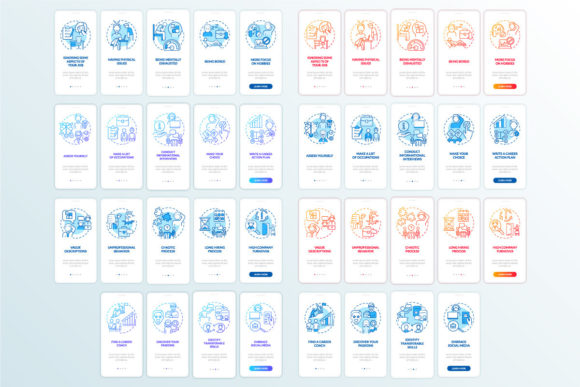
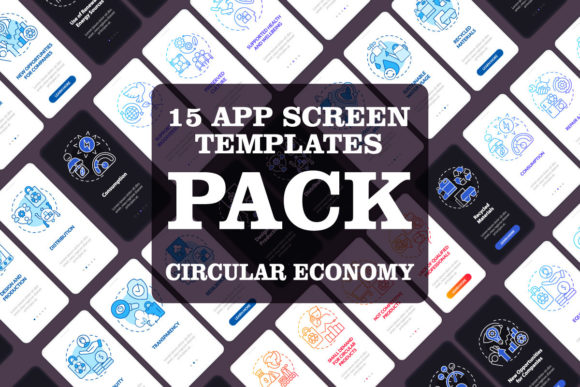
When I first opened the Circular Economy Practices Mobile Apps graphic template, I was struck by its clean and modern layout. The design feels very intentional, with a focus on clarity and simplicity. It’s clearly meant for educational or onboarding purposes, which makes it an excellent candidate for embroidered products that need to convey information visually.
The use of Myriad Pro-Bold and Regular fonts adds a professional touch without being too rigid. The linear concepts and step-by-step walkthroughs suggest this design is well-suited for instructional materials, making it ideal for custom apparel or patches that aim to educate or inform.
Real-Life Scenario: Custom Embroidered Tote Bag
Imagine preparing a custom embroidered tote bag for a boutique that specializes in sustainable products. The Circular Economy Practices Mobile Apps design could be used as a visual guide on the tote, helping customers understand how to recycle and reuse their items effectively.
As a designer, I would consider how the text and icons translate into embroidery. The linearity of the steps works well for stitching, especially when using satin stitch or fill stitch for the graphic elements. However, the detail level might require careful attention to stitch density to ensure that the message remains clear and readable after embroidery.
This design would look great on a tote bag made from medium-weight cotton or canvas fabric. The contrast between the thread colors and the fabric background will play a crucial role in the final appearance. Testing the design on scrap fabric first is always a good idea to see how it looks before committing to a larger project.
Embroidery Performance Across Various Products
Circular Economy Practices Mobile Apps has a wide range of potential applications in the world of embroidery. Here are some examples:
- Custom Apparel: Sweatshirts, t-shirts, and caps can feature this design as part of a sustainability-themed collection.
- Tote Bags: Perfect for eco-friendly brands looking to reinforce their message through visual storytelling.
- Patches: Ideal for creating educational patches for schools or community centers focused on environmental awareness.
- Aprons and Pillow Covers: These items can showcase the design in a more decorative way while still maintaining clarity.
- Baby Clothes: A subtle version of the design could work well on baby onesies or blankets, promoting eco-conscious habits from a young age.
For commercial embroidery projects, the Circular Economy Practices Mobile Apps design brings a sense of professionalism and purpose. It aligns well with brands that want to communicate values through their product designs, making it a valuable asset for Etsy sellers, craft businesses, and small shop products.
Where to Use with Caution
While the design is versatile, there are certain scenarios where extra care should be taken:
- Small Hoop Sizes: The intricate details may not translate well on smaller hoops, so it's best suited for larger embroidery areas.
- Textured Fabrics: The texture can affect stitch visibility, so testing is essential to ensure the design remains legible.
- Dark Fabric Backgrounds: Thread color contrast is key here—opt for light-colored threads on dark fabrics to maintain clarity.
- Curved Surfaces: Designs like those on caps or hats may require adjustments to fit the contours properly.
Also, if you're planning to use this design on products that undergo frequent washing, make sure to use proper stabilizers and high-quality thread to prevent fraying or distortion over time.
Design Impact on Visual Appeal and Branding
The Circular Economy Practices Mobile Apps design contributes positively to the visual appeal of any embroidered product. Its structured layout and clean lines help elevate the handmade presentation, adding a layer of sophistication to your personalized gifts or commercial embroidery projects.
From a branding perspective, this design reinforces a commitment to sustainability, which is increasingly important for consumers. Whether you're selling on Etsy, at craft fairs, or through your own boutique, this design can enhance customer trust and engagement.
It also helps maintain brand consistency, especially for businesses that focus on eco-friendly practices. Using this design across different products can create a cohesive look that customers recognize and appreciate.
Practical Embroidery Designer Notes
Before using the Circular Economy Practices Mobile Apps design in a real project, here are some practical tips:
- Test on Scrap Fabric: Always test the design on scrap fabric first to see how it stitches and looks in real life.
- Check Thread Color Contrast: Ensure that the thread colors used stand out against the fabric background.
- Review Stitch Density: Adjust stitch density if needed to maintain clarity and avoid overcrowding.
- Confirm Hoop Size: Make sure the hoop size is appropriate for the design to avoid distortion.
- Inspect Small Details: Check for any small elements that might get lost during the embroidery process.
- Use Proper Stabilizer: Especially important for delicate or stretchy fabrics.
- Check Licensing: Before selling finished items or digital products, confirm the licensing terms for the design.
By following these steps, you can ensure that the Circular Economy Practices Mobile Apps design translates well into a finished product that meets both aesthetic and functional standards.
Overall, this design offers a unique opportunity to combine education with creativity in your embroidery projects. Whether you're a hobbyist or a professional, it's worth considering for your next embroidered patch, tote bag design, or custom apparel project.