Virtual Reality Graphics for Modern Branding
First Impressions and Emotional Tone
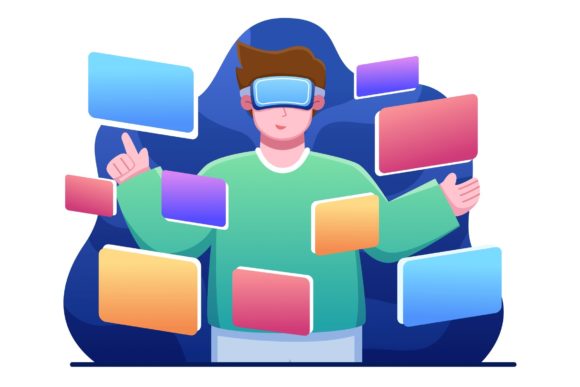
The People Use Virtual Reality Technology graphic immediately evokes a sense of innovation and immersion. The illustration of someone wearing a VR headset captures the essence of modern tech with a clean, engaging style. It balances futuristic elements with a relatable human touch, making it ideal for brands aiming to appear both cutting-edge and approachable.
This asset brings a mood of curiosity and exploration, which aligns well with audiences interested in technology, lifestyle, or experiential content. Its visual tone is professional yet inviting, suitable for both casual branding and more polished commercial use.
Real-World Marketing Scenario
Imagine a small business launching a new line of smart home devices. They need a cohesive visual identity that reflects innovation while remaining accessible. The People Use Virtual Reality Technology graphic could serve as a central element in their marketing campaign, helping to visualize the product’s immersive capabilities.
It can be used in landing pages, social media graphics, and email banners to highlight how users interact with the technology. This makes it a versatile tool for content creators looking to build a narrative around user experience and product functionality.
Visual Consistency and Brand Identity
For brand identity, the People Use Virtual Reality Technology graphic supports a modern, tech-forward aesthetic. It can be integrated into logo design, packaging, and web design to maintain a consistent visual language across all touchpoints.
When paired with a minimalist color palette, this asset enhances brand recognition and professionalism. It also works well with both serif and sans-serif fonts, offering flexibility in different design contexts.
Social Media Graphics
The People Use Virtual Reality Technology graphic is highly effective for Instagram posts and Pinterest pins. Its dynamic composition draws attention quickly, making it perfect for storytelling or showcasing product features.
It can be adapted into Canva templates, allowing marketers to create multiple variations without losing the core visual identity. This versatility supports content marketing strategies that require frequent updates and fresh visuals.
Digital Ads and Web Design
In digital ads, this graphic helps convey the immersive nature of virtual reality products. It can be used as a hero image on landing pages or as a background element in web design to guide user attention toward key messages.
Its scalability ensures it remains clear and impactful whether displayed on desktop or mobile screens. This makes it an excellent choice for campaigns targeting a broad audience.
Editorial and Content Marketing
The People Use Virtual Reality Technology graphic supports editorial design by providing a strong visual anchor for articles or blog posts about technology trends. It can be used in infographics, presentations, and animations to illustrate complex concepts in an engaging way.
As a digital product, it can be included in content kits or design bundles, offering value to creative professionals who need ready-to-use assets for their projects.
Limitations and Best Practices
While the People Use Virtual Reality Technology graphic is versatile, it should be used carefully in certain contexts. For example, it may not be ideal for formal corporate branding where a more traditional look is expected. Similarly, it should be avoided in text-heavy ads where clarity is paramount.
Designers should test the asset against competitor visuals to ensure it stands out without appearing too generic. It’s also important to review its performance in black and white to confirm its effectiveness in low-contrast environments.
Practical Brand Designer Notes
Before using the People Use Virtual Reality Technology graphic in a paid campaign or client work, always check the commercial license. Ensure it aligns with your brand’s color palette and typography choices.
Test its readability at smaller sizes, especially for mobile use. Consider how it interacts with other design elements to maintain visual balance and hierarchy. When used thoughtfully, this asset can significantly enhance audience trust and engagement.
Conclusion: A Strong Asset for Content Creators
The People Use Virtual Reality Technology graphic is a valuable addition to any designer’s toolkit. It supports a wide range of marketing materials, from social media graphics to editorial layouts, and offers flexibility in both digital and printable formats.
Whether you're building a brand identity, refreshing social media visuals, or creating content kits, this asset provides a strong foundation for professional branding. With careful application, it can help create memorable, visually consistent campaigns that resonate with your target audience.